Set Your Gambling Limits Before You Play AUD

Most players deposit first and think about limits later, which is exactly backwards. A careful punter in Wollongong might drive past the old steelworks on the way to a pub session, yet still leave the house without a clear stop point. The habit of chasing a number instead of setting one costs more than a few lost coins. Smart gambling limits setting casino AUD starts with a line drawn before the first click, not after the balance dips.
Regional broadband drops out on the coast road near Wollongong about as often as a summer storm rolls in. A player relying on a shaky connection can lose a session mid-spin and keep paying without noticing. That gap between what the screen shows and what actually lands is where budgets go sideways. A solid limit removes the guesswork when the signal cuts.
You can test the idea with a small deposit and a hard cap, much like a lizard drinking flat out until the trough runs dry. The point is not to guess your tolerance after the fact but to lock it in upfront. A cautious researcher will compare the deposit rules, the withdrawal window and the self-exclusion toggle before committing a single dollar. Those checks take five minutes and save a lot of regret.
Lock a hard cap before you deposit
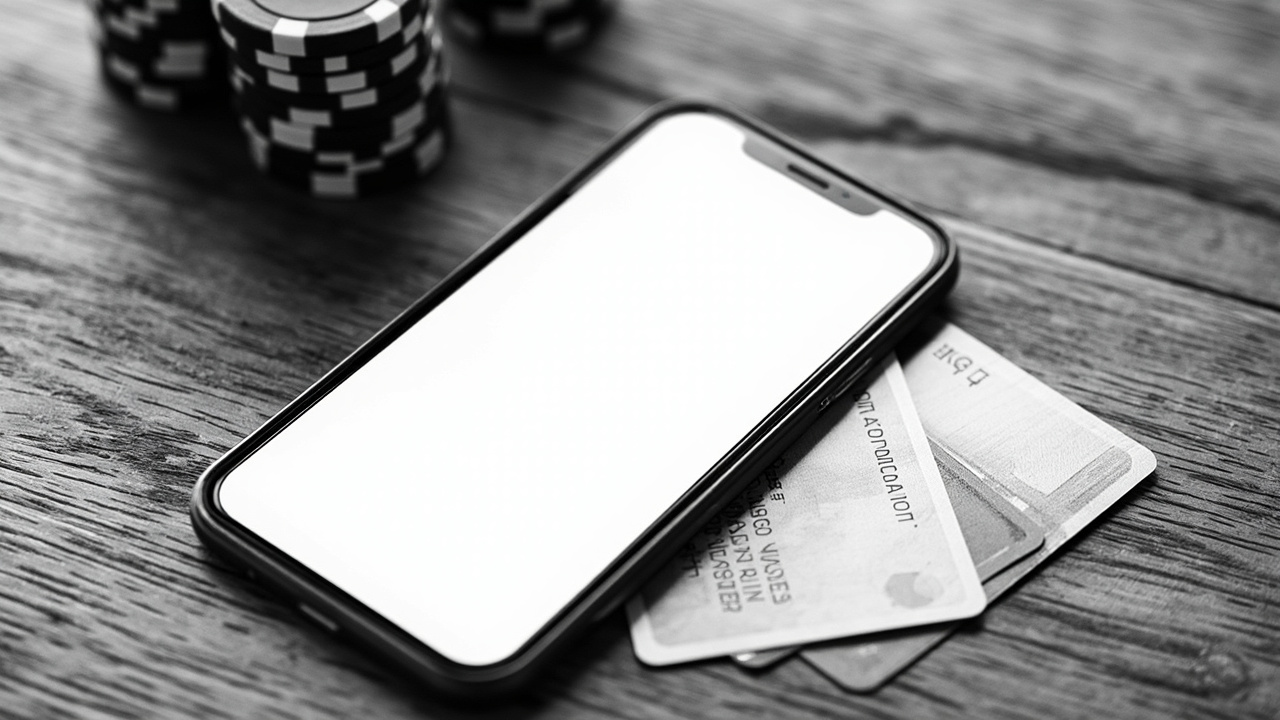
A player who treats a limit like a suggestion usually breaks it within the first hour. The fix is to set a ceiling that you cannot quietly raise from the same device. Many platforms let you freeze the ceiling for a set period, which stops a tired hand from bumping it up after a bad run. A twenty-four hour cooling window is a decent starting point for anyone who wants the rule to stick.
Think of the cap as a fence, not a speed bump. You want something that stops the run outright rather than something you can step over when you are flat out like a lizard drinking. The difference matters because a soft limit invites negotiation with yourself. A hard limit removes the negotiation entirely.
Write the number down somewhere visible, say on the fridge or in a notes app, so the figure sits outside the app where you can see it. A written figure survives the moment when the screen tries to flatter you with a near-miss. The habit of checking an external note beats trusting a balance that changes by the minute.
Pick a session limit that matches your broadband
A Wollongong local heading down the coast on a Sunday often hits patchy mobile data before the signal steadies near the breakwall. Online play on a wobbly link can turn a ten-minute session into a twenty-minute one without you noticing the clock. A session limit that matches the real time you have keeps the play inside the window you actually planned.
Set the timer to match the drive, not the dream. If the trip to the venue normally takes forty minutes, shape the session around that same block so the connection drops do not stretch the spend. A player who aligns the limit with the travel window stops the drift before it starts. The trade-off is simple: you may leave a little unspent, but you also leave with the budget intact.
Compare the two approaches side by side. The first approach sets a dollar figure and hopes the session ends when the money runs low. The second approach sets a time block tied to the drive and the signal, then stops when the block ends. The second method usually beats the first because it controls the clock instead of chasing the balance.
Use a stop-loss figure tied to a real budget
A stop-loss works best when it ties back to money you can actually afford to lose, not money you hope to win back. Say you deposit fifty dollars for the week and set the stop at that same figure, then the limit becomes a ceiling you do not cross. Anything beyond that point is a separate decision that deserves a fresh look. The method keeps the play inside a budget you already signed off on.
A cautious researcher will check whether the platform lets you set a loss limit separate from the deposit limit. Some setups bundle the two together, which makes the whole thing harder to manage when you want one rule for entry and another for exit. A clear separation lets you cap the entry and still stop the bleed if the session turns. The trade-off is a little extra setup, but the payoff is a cleaner boundary.
Georgia Green, Senior Market Analyst, Southern Star Esports, sees the pattern in how players talk about their own limits. “Players who name a figure before they log in tend to stick to it longer than players who decide in the moment,” she says. Her read is that the act of naming the number does as much work as the number itself. The caveat is that a named figure still needs a way to enforce it when the session gets tense. winspirit no deposit bonus codes
Build a cooling-off rule that actually cools things down
Once a point is set, rolling it again before a 7 wins; rolling a 7 first loses, which is the “seven out” rule that keeps the line honest. The same idea applies to a cooling-off period: you set a break, you wait, and you do not reopen the session until the break has actually passed. A twenty-four hour reset is a workable default for anyone who wants the pause to mean something.
Amelia Jackson, Affiliate Partnerships Director, Harbour City Gaming Review, watches how players respond when a pause is built into the setup rather than bolted on later. “A cooling-off rule works best when it sits in the same place as the deposit toggle, so the player sees both at once,” she says. Her point is that a hidden setting gets ignored the moment the mood shifts. The practical move is to keep the pause visible where the money entry already sits.
A player who wants the rule to bite should pick a condition that is hard to sidestep, like a full day off the account rather than a vague promise to slow down. The condition matters because a soft pause gets renegotiated the instant the balance looks tempting. A hard pause removes the renegotiation and leaves the decision for tomorrow. The trade-off is a lost session today, but a clearer head next time.
Keep the limit in view when the signal fades
A Wollongong player driving back from a coastal venue often loses the mobile signal somewhere between the breakwall and the motorway. That drop can hide a balance update long enough for a tired hand to keep going. A limit that shows up on the lock screen or in a text reminder survives the dead zone better than a figure hidden inside the app. The practical move is to put the number where you can see it when the screen goes dark.
Oliver Nelson, Customer Experience Lead, Pacific Player Protection Institute, tracks what happens when the reminder sits outside the play area. “A limit that lives on the phone lock screen gets checked more often than one buried in settings,” he says. His view is that the reminder has to be loud enough to interrupt the drift, not polite enough to be skipped. The caveat is that a reminder only helps if the player actually reads it before the next click.
You can pair the reminder with a short written note that says what you planned to spend and what you planned to walk away from. The note does not need to be fancy, just clear enough to read in a car park after a long day. A player who keeps the plan visible is less likely to let a fading signal stretch the session. The result is a boundary that holds even when the connection does not. Dailytelegraph
A player who sets the line before the first click walks away with the budget intact and the session finished on their own terms. The same player who waits until the balance dips usually ends up chasing a number that keeps moving. The difference is not luck but the order of the steps, and the order is what decides whether the night stays controlled.
